
Finding a clothing manufacturer for your startup involves more than comparing minimum order quantities and prices. Manufacturers differ in the products they specialize in, the quantities they produce, the services they provide, and how their operations are set up.
These differences affect manufacturing costs, the information you'll need before a manufacturer can evaluate your project, and whether its capabilities and requirements align with your design, quantity, and budget.
Need help with a project? Free expert guidance is just a click away.
Curious how sewn products are made? Learn more
What Is a Low MOQ Clothing Manufacturer?
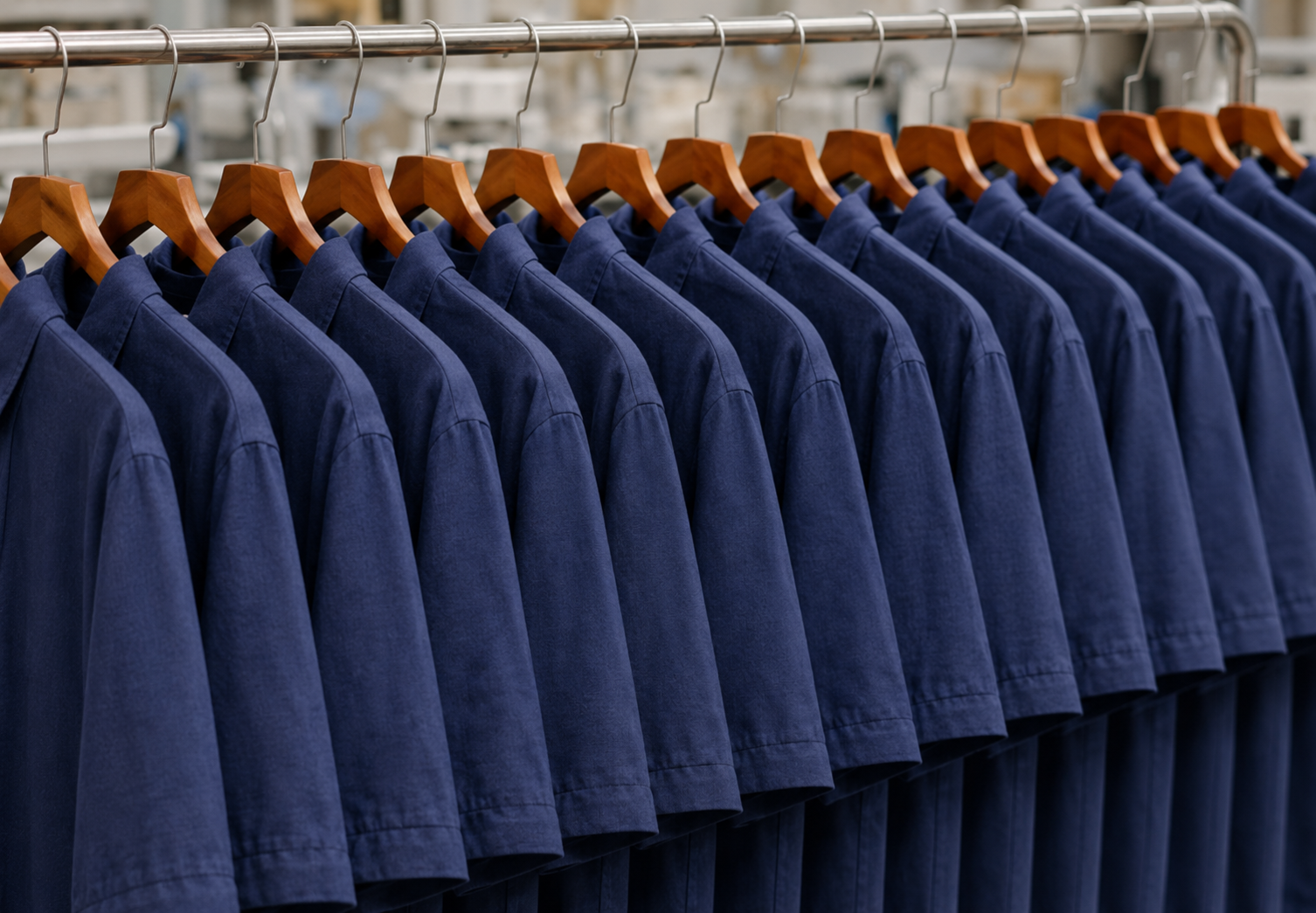
MOQ stands for minimum order quantity, the smallest production order a manufacturer is willing to accept, and there isn't an industry-wide quantity that qualifies as a low MOQ. A quantity that works well for a small cut-and-sew operation may be far below what makes sense for a larger factory, while a manufacturer specializing in a particular product or production method may have entirely different requirements.
It's also important to understand exactly what a manufacturer means when it quotes an MOQ. The minimum may apply to the entire order, each style, each fabric, each color, or some combination of them. Material suppliers may have their own minimums as well.
That means a manufacturer advertising a relatively low MOQ doesn't necessarily mean you can divide that quantity among any number of products, sizes, colors, and materials.
If you want to understand why clothing production quantities work this way, Minimum Order Quantity in Clothing Manufacturing: How Production Quantities Work explains how cutting, fabric layers, size ratios, colors, and production planning affect manufacturing quantities.
What Should Be Ready Before You Contact a Manufacturer?
One of the most common problems founders encounter isn't that manufacturers won't work with startups. It's that they begin contacting manufacturers before they have enough information for the manufacturer to evaluate the project. A manufacturer needs to understand what it's being asked to produce before it can determine whether your project aligns with its capabilities.
For an original sewn product, the information a manufacturer commonly needs is:
A production pattern - The pattern defines the pieces required to construct the garment and, when multiple sizes will be produced, needs to include the required size range.
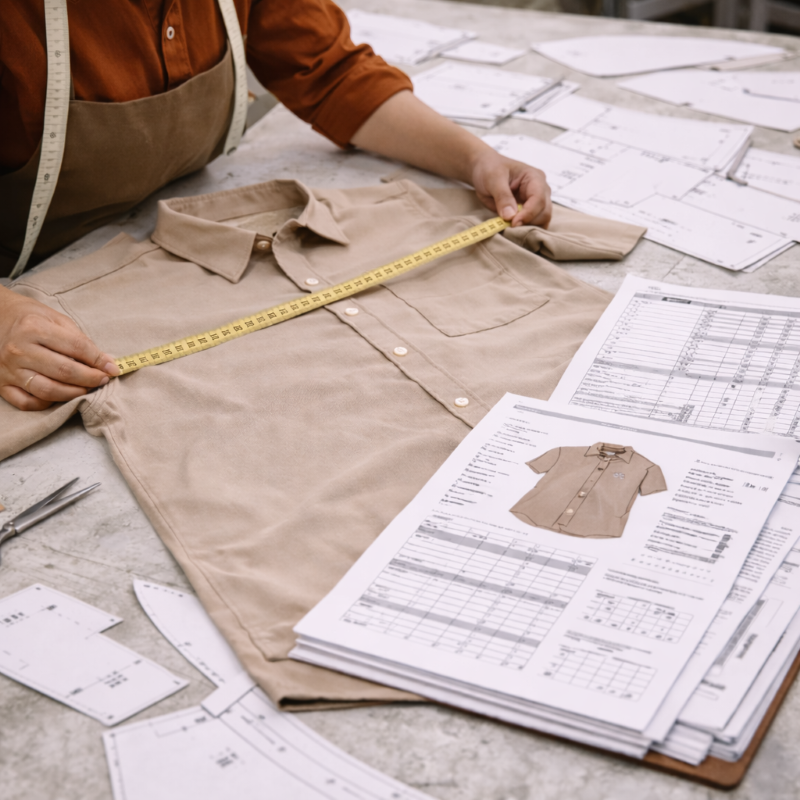
A sewn sample - A real life sample gives the manufacturer a finished reference for construction, materials, fit, and other details that aren't always communicated completely through drawings or written specifications.
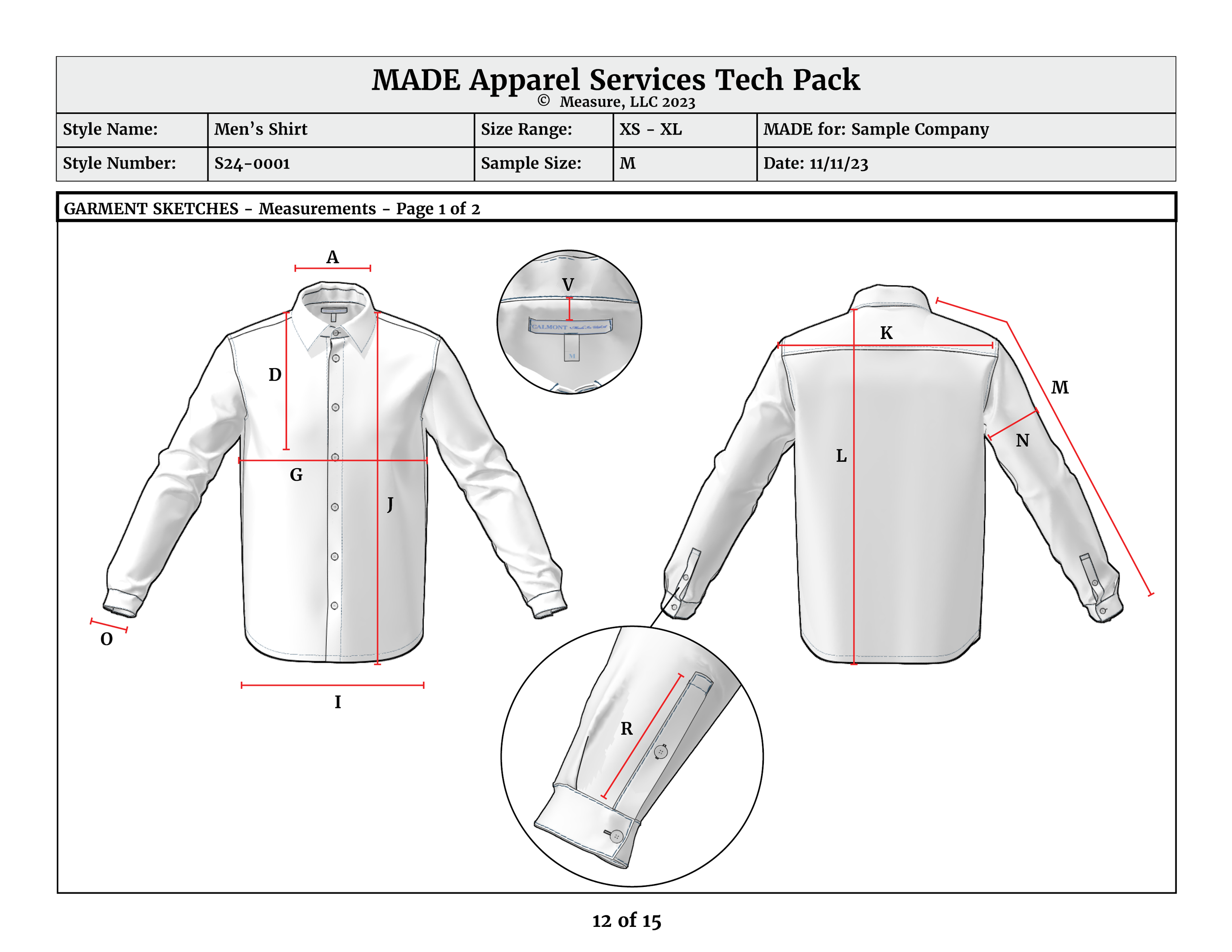
A tech pack - The written manual that brings together the details of your pattern and sample in addition to listing the materials, trims, construction details, measurements, labels, and other information needed to manufacture your product at scale.
A manufacturer will also need information about the order itself, including your anticipated quantity, sizes, colors, materials, and timeline.
You don't necessarily need every manufacturing detail finalized before having an initial conversation with a manufacturer. But until development is completed, a manufacturer may not have enough information to give you specific pricing, scheduling, or manufacturing requirements.
What Does a Small Production Run Actually Cost?
Production quantity is only one part of manufacturing cost. The complexity of the design matters, too. A simple garment with relatively few seams and straightforward construction requires much less sewing labor than a lined jacket, structured bag, technical outdoor product, or garment with numerous components and specialized operations. That means two founders with the same production budget may be able to manufacture very different quantities.
Quantity can affect cost because some production work can be performed more efficiently across multiple garments, particularly during fabric cutting. But sewing labor doesn't disappear as quantity increases. Every garment still has to move through its required sewing operations.
For a startup, that makes the better question less about finding the cheapest possible cost per garment and more about understanding what your available production budget can realistically support. The Small Batch Production Calculator can help you explore that relationship. Enter your production budget and the general complexity of the design to estimate how many pieces that budget might support and an approximate cost per piece for a smaller U.S.-based production run.
The calculator isn't a manufacturing quote. Actual pricing depends on the design, materials, construction, manufacturer, quantity, and manufacturing requirements. It's intended to give you a planning range before you begin requesting quotes, so you can see whether the production quantity you're considering is reasonably aligned with the budget available for it.
Domestic or Overseas Clothing Manufacturing?
Where a product is manufactured can affect labor cost, material sourcing, shipping, communication, lead time, and the amount of inventory a brand may need to purchase at once. Those factors interact differently for every product and manufacturer.
For a startup, domestic manufacturing can sometimes make smaller quantities easier to manage. Working closer to home may also simplify communication, particularly when samples need to move back and forth or questions come up during an early manufacturing run.
Overseas manufacturing can offer access to supply chains and specialized capabilities that may not be available domestically. It may also offer more competitive pricing at appropriate quantities, although the additional logistics and larger commitments that can come with international manufacturing need to make sense for the business.
Neither location guarantees better quality. The better choice is the manufacturer whose capabilities and requirements fit the design you're making and the business you're building.
Before You Start Contacting Manufacturers
Different types of clothing manufacturers offer different levels of service. Some expect you to arrive with a fully developed design, while others provide product development as part of their services. The distinction isn't always obvious from the documents you already have. A tech pack, for example, communicates technical specifications, but having one doesn't necessarily mean the design has been developed. The pattern, construction, fit, materials, and other details still need to be established and confirmed before the tech pack can accurately document the finished design.
This is where deciding whether product development and manufacturing should be under one roof becomes important. You can complete development with the company that will eventually manufacture your product, or complete it independently and bring the finished development package to a manufacturer.
How to Find the Right Manufacturer for Your Startup
A low minimum order can be attractive when you're trying to limit your initial inventory investment, but MOQ shouldn't be the only thing you evaluate.
Manufacturers often specialize in particular types of products, materials, or construction. When you contact a manufacturer about your project, they can review what you're making and determine whether it's a good fit for the work they do. This is also a good time to ask about minimums, sampling costs, lead times, and how they work with new clients.
Sampling is the next step. It gives the manufacturer an opportunity to confirm the construction and determine what's involved in making your product, while giving you a chance to evaluate the quality of their work, how well they follow your specifications, and how communication goes throughout the process.
Once the sample is finished, the manufacturer has the information needed to prepare a production quote. Find out what's included, what will be billed separately, the payment terms, lead time, and how quality control will be handled. By then, you have the manufacturer's sample, pricing, requirements, and your experience working with them to help you decide whether they're the right fit for you.
MADE Apparel Services helps founders prepare for manufacture through independent product development, while Founder Support is also available for one-on-one guidance as you evaluate manufacturers, review production requirements, and navigate development and manufacturing decisions. If you’ve completed development and are looking for a U.S. apparel manufacturer, Betsy at Garmenta Apparel created the U.S. Apparel Factory Directory, a resource she regularly updates that includes more than 80 factories, many of which work with lower minimum order quantities.
Want information like this sent straight to your inbox?
Sign up for our newsletter to receive the latest news, exclusive offers, and insights about our products and services.
You can unsubscribe at any time and we never share your information with anyone.

Frequently Asked Questions
-
Contact potential manufacturers and explain what you're making so they can determine whether the project fits their capabilities. Ask about minimum order quantities, services, costs, lead times, and requirements for new clients before deciding which manufacturers you want to pursue.
-
A low MOQ clothing manufacturer accepts relatively small production orders, but there is no industry-wide quantity that qualifies as low. Minimums vary by manufacturer and may apply to the total order, each style, fabric, color, or a combination of them.
-
Look for a manufacturer whose capabilities match your product and whose quantities and requirements fit your business. Compare minimum order quantities, services, costs, lead times, payment terms, and quality-control processes before making a decision.
-
You can have an initial conversation with a manufacturer at any stage. For a developed sewn product, manufacturers commonly need a production pattern, sewn sample, tech pack, and information about quantities, sizes, colors, materials, and timeline before they can evaluate the project in detail.
-
Either can be a good fit. Domestic manufacturing can make smaller quantities and communication easier to manage, while overseas manufacturing may offer different capabilities, supply chains, and pricing. The better choice depends on your product, quantity, budget, and manufacturing requirements.