
We don’t just build your idea, we build your understanding.
Small Batch Clothing Production for Apparel and Sewn Products
Low minimum order quantities to finalize designs and prepare apparel and sewn goods for production.

Who This Is For
Brands Working Toward Production in Lower Quantities
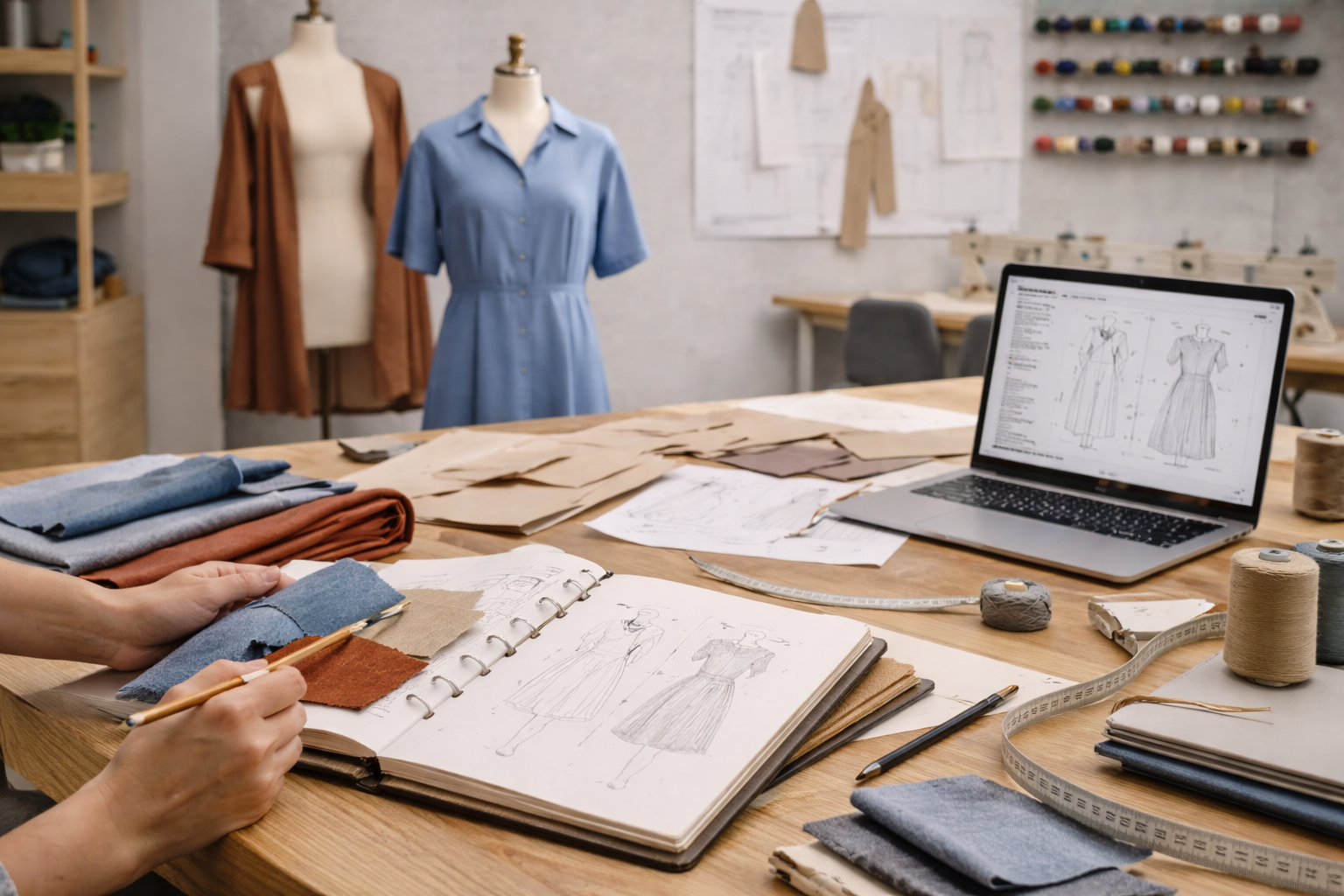
You’re ready to move your apparel product into production, but large factories often require minimums that don’t align with your current stage.
Small batch production allows for limited runs without committing to large-scale inventory, creating space to move forward while keeping quantities controlled.
This stage is often explored when:
A product line is being tested before committing to larger manufacturing volumes
You are introducing a limited collection or seasonal release
Quantity and timeline constraints don’t fit within large-scale production models
Fit and construction are still being refined before placing a larger order
Production support is needed, but high minimums create too much risk upfront
Custom apparel styles require smaller runs before scaling
What You Need
A Clearly Defined Product Before Moving Forward
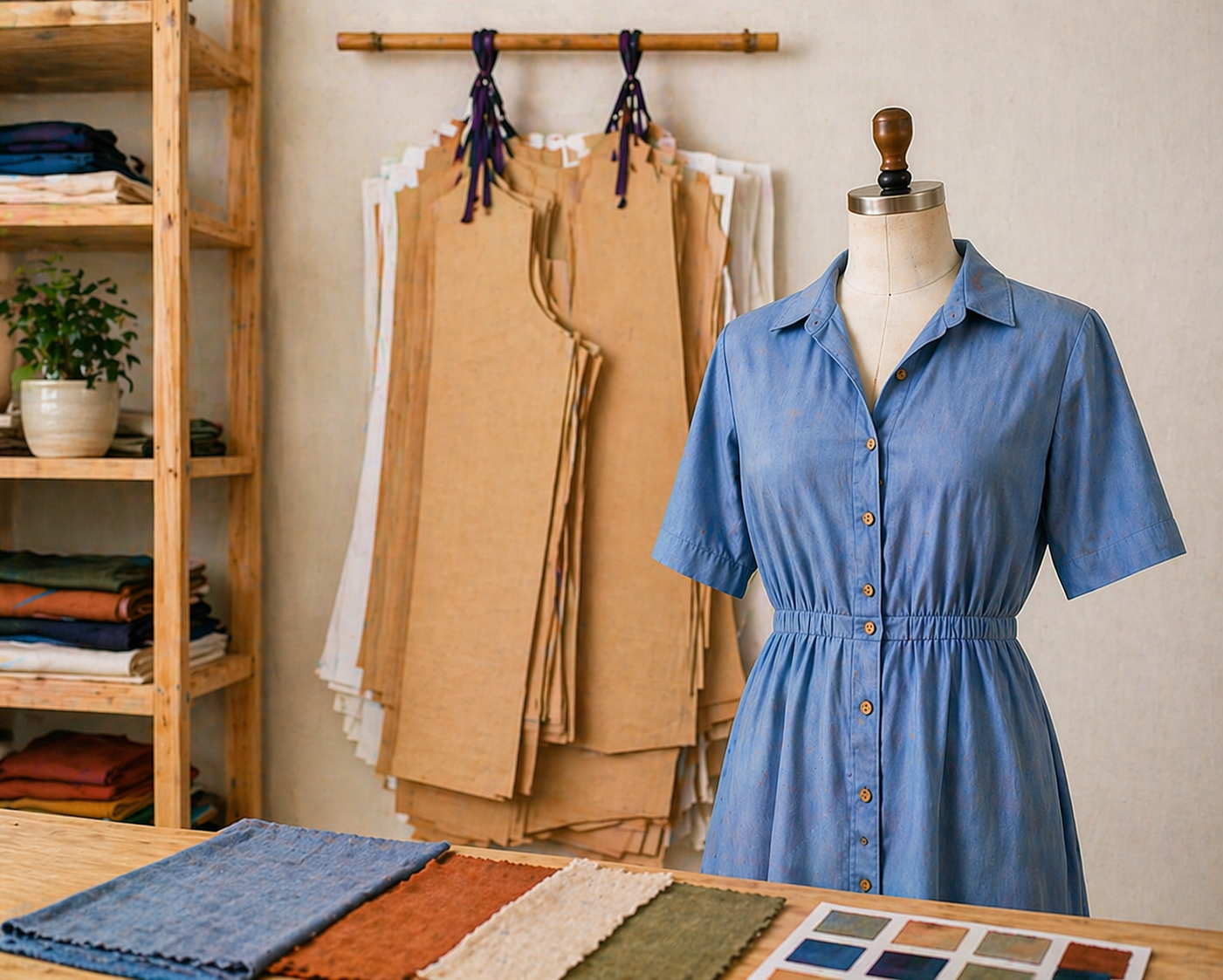
Small batch production is most effective once the product itself has been fully developed and key decisions have been resolved. At this stage, the goal is not to determine how the garment should come together, but to confirm that those decisions hold up when repeated.
In practice, that means:
The pattern has been finalized and reflects the intended design and construction
A sample has been sewn and reviewed for fit, function, and overall execution
Materials have been selected and are available
Construction methods are established and can be repeated consistently
Points of measure and specifications are based on the approved sample
When these elements are in place, small batch production becomes a way to confirm consistency rather than resolve remaining unknowns.
What You Get
Validation Before Scaling Production
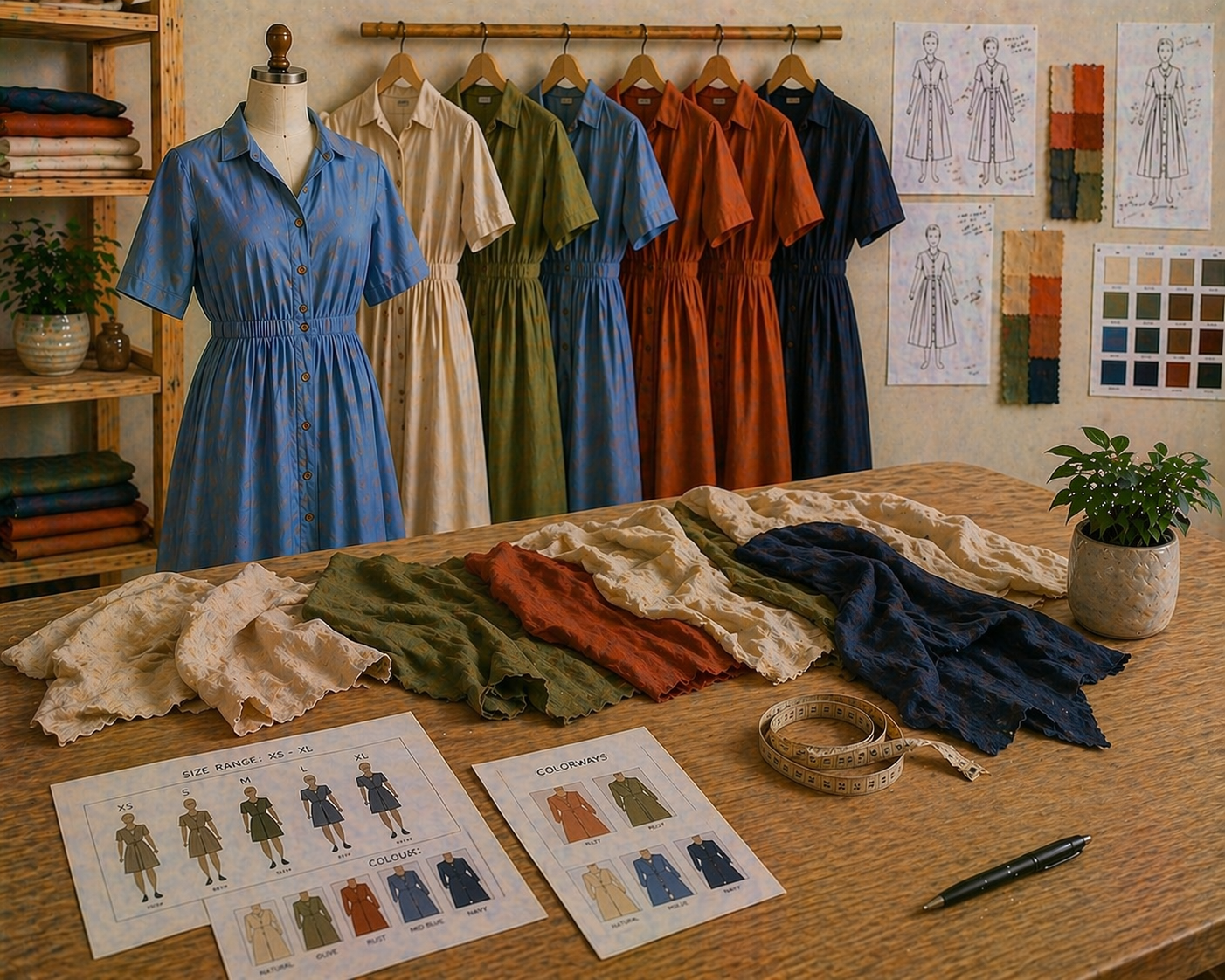
Small batch production at this stage is used to evaluate how the product performs across multiple units, not just a single sample. Rather than developing new ideas, this step confirms that decisions already made—fit, construction, materials, and finishes—hold up when repeated.
Through this process, you gain:
Visibility into how the garment performs across a full size range
Confirmation that colorways or material options perform consistently
Additional units for sales samples, trunk shows, or buyer presentations
Confirmation that construction methods translate consistently across multiple pieces
Insight into how finishes such as dyeing, printing, or washing behave in repeated production
A clearer understanding of what adjustments, if any, are needed before moving into larger quantities
This stage builds confidence in the product as it moves toward production, reducing uncertainty and helping ensure a smoother transition to larger manufacturing runs.
Ready to Move Into Small Batch Production with a Clear Plan?
Ensure your product is prepared for consistent, repeatable production before scaling.






Client Reviews
Frequently Asked Questions
-
Small batch clothing manufacturers specialize in producing low minimum order quantity (MOQ) runs of apparel and sewn goods. Unlike large factories that require high production volumes, small batch manufacturers allow brands to produce limited quantities, making them ideal for startups, product testing, and small collections.
-
Low MOQ refers to a lower minimum order quantity required to begin production. Small batch clothing manufacturers offer flexible quantities so brands can produce smaller runs without committing to large inventory investments.
-
Small batch cut and sew manufacturing involves constructing garments from raw fabric pieces that are cut and sewn together according to custom patterns. This process allows brands to create fully customized apparel in limited quantities rather than using pre-made blank garments.
-
Yes. Small batch clothing manufacturers are ideal for startups and emerging brands because they reduce financial risk, allow limited production runs, and provide flexibility when testing new designs before scaling to larger production volumes.
-
Yes. Even low MOQ production requires complete technical documentation. A professional tech pack includes measurements, materials, grading, and construction details that help small batch clothing manufacturers produce your garments accurately.
-
The cost of small batch clothing manufacturing depends on garment complexity, materials, labor, and production quantity. While the per-unit cost may be higher than large-scale production, small batch manufacturing reduces inventory risk and upfront investment.
-
Yes. Many brands begin with small batch clothing manufacturers to validate demand and refine fit. Once demand is proven, production can scale to larger manufacturing volumes with improved forecasting and cost efficiency.
-
Small batch clothing manufacturers are best when:
• You are launching a new apparel brand
• You want to test a new product line
• You need flexible quantities
• You are producing a limited collection
• You want to minimize inventory riskLarge factories are typically better suited for high-volume production once demand is established.