
Why Your First Clothing Sample Doesn't Look Like You Expected
Waiting for your first clothing sample can be one of the most exciting moments in bringing a new product to life. After weeks of anticipation, you finally get to see your idea as a real garment—but something feels off. The proportions aren't quite right. The fabric behaves differently than you expected. The overall silhouette simply isn't what you had in mind.
It's natural to assume something went wrong.
In many cases, however, what you're experiencing isn't a manufacturing problem. It's a misunderstanding of what that first sample was intended to accomplish. Understanding the role of sampling, and the different ways it can be used before and during manufacturing, helps explain why first samples often feel disappointing and why they don't always look the way you expected.
Need help with a project? Free expert guidance is just a click away.
Curious how sewn products are made? Learn more
A Physical Sample Reveals What Drawings Can't
Before a garment is sewn, your product exists as sketches, measurements, material selections, patterns, and written instructions. Those pieces describe the product, but they can't fully predict how everything will work together once it becomes physical.
Seeing the garment on a body, feeling how the fabric drapes, or evaluating how construction details interact often reveals things that couldn't have been understood earlier. A collar may feel larger than expected, a pocket may sit differently than you imagined, or a fabric that looked perfect as a swatch may behave very differently once it's sewn into a complete garment.
These observations don't necessarily mean the clothing sample was made incorrectly. They simply become visible because the product can finally be evaluated in its intended form.
This is one reason many companies invest in pattern development before requesting manufacturing samples. The more product decisions that have already been evaluated, the easier it becomes to understand whether a sample is revealing a genuine issue or simply confirming an expected result.
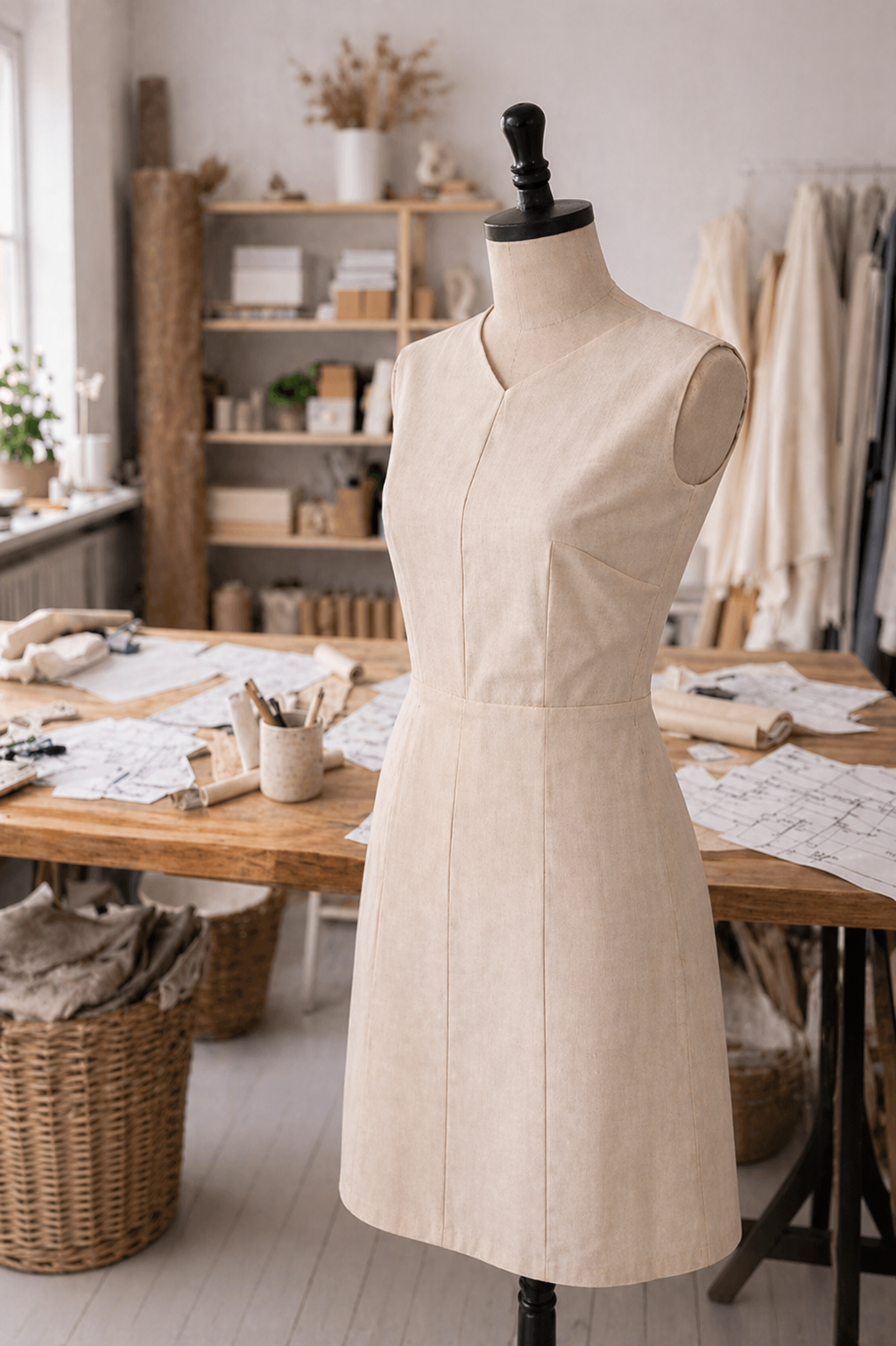
Not Every Sampling Process Has the Same Goal
One of the biggest misconceptions among first-time founders is assuming that every clothing sample serves the same purpose. In reality, the role of a sample depends on where it occurs in the overall process.
When you're working directly with a clothing manufacturer, sampling is typically an iterative process. The factory builds a sample using the information provided, you review it, communicate revisions, and another sample is produced. Each round is expected to refine the product until it's ready for production.
Sampling during apparel product development has a different objective. The goal is to answer as many product questions as possible before the manufacturer sews the first sample. Pattern development and other development activities reduce uncertainty so manufacturing samples are confirming decisions rather than discovering them.
Both approaches can result in a successful product, but they begin from different assumptions about when product decisions should be made. Understanding which process you're entering helps set realistic expectations for the sampling process and the number of revisions that may be required.
Why Manufacturer Sampling Can Feel Frustrating
Whether you expect your first sample to look finished or expect to iterate through multiple rounds of sampling, the more difficult challenge is often the same: knowing how to explain to the factory what needs to change.
Looking at a garment and feeling that "something isn't right" is very different from identifying exactly why. Is the shoulder slope affecting the fit? Is the pocket positioned incorrectly, or is the garment simply too short? Is the silhouette being influenced by the pattern, the construction method, or the selected fabric?
Manufacturers rely on that feedback to produce the next sample. If the revisions aren't clearly defined, they're left interpreting comments that were never intended to be technical instructions. The next sample may solve one concern while unintentionally creating another, leading to additional rounds of revisions.
If every new sample feels like starting over, communication is often the missing link. Manufacturers can only revise what they understand. When feedback is vague, subjective, or difficult to interpret, the next sample may reflect the factory's interpretation rather than your intention, leading to another round of revisions.
This is where manufacturing consultation can help. Evaluating a sample is only part of the process. The observations also need to be translated into clear revision instructions that a manufacturer can understand and apply consistently. Bridging that communication gap often reduces unnecessary sampling rounds and helps keep the product moving forward.
Better Samples Start Before the First Prototype Is Sewn
The fewer unanswered questions that exist before manufacturing begins, the more productive each clothing prototype becomes.
A well-developed pattern establishes the product's proportions. A 3D garment rendering allows many visual decisions to be reviewed before sewing begins. Together, these tools help identify potential issues while revisions are still relatively quick and inexpensive.
They don't replace physical sewn prototypes, but they often make each prototype more purposeful. Instead of discovering what the product should become, the prototype is confirming that previous decisions are working together as intended.
Every Sample Should Move the Product Forward
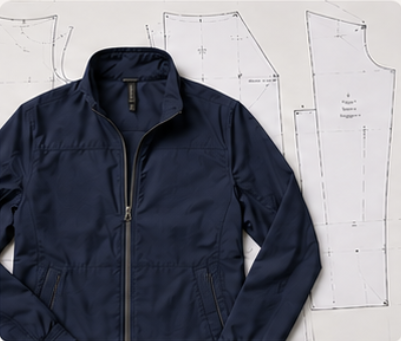
Receiving another sample isn't necessarily a sign that something went wrong. Multiple rounds of sampling are completely normal for many products.
The goal is simply to ensure that every new sample teaches you something the previous one couldn't. As the product becomes more defined, revisions become smaller, communication becomes clearer, and the product moves steadily toward production.
When the same issues continue appearing sample after sample, however, the problem is often no longer the garment itself. It's that the revisions are not being communicated clearly enough for the manufacturer to understand exactly what should change.
A Better Way to Think About Clothing Samples
The success of a first clothing sample shouldn't be measured by whether it's immediately ready for production. It should be measured by whether it provided information that helps improve the next version.
A first sample isn't supposed to answer every question. It's supposed to answer the next one.
Whether you're reviewing a manufacturing sample or a prototype created during sewn prototyping, each round should improve your understanding of the product and reduce the amount of interpretation required moving forward.
Understanding that difference changes how you evaluate every sample that follows. It leads to better communication, fewer unnecessary revisions, and ultimately a product that's easier to manufacture consistently. Book a free consultation to learn about how clothing samples can help you develop a better sewn product.
Want information like this sent straight to your inbox?
Sign up for our newsletter to receive the latest news, exclusive offers, and insights about our products and services.
You can unsubscribe at any time, and we never share your information with anyone.
Frequently Asked Questions
-
A first clothing sample is often the first opportunity to evaluate how your product behaves as a real garment. Even with good sketches and measurements, seeing the product sewn together may reveal changes to fit, proportions, construction, or material behavior that couldn't be identified earlier. The first sample is intended to provide information, not necessarily represent the finished product.
-
Yes. Many clothing manufacturers expect sampling to be an iterative process. They produce a sample based on the information provided, receive feedback, and revise the next version. Multiple sample rounds are common, particularly when product decisions are still being made during manufacturing.
-
Additional sample rounds are often caused by unresolved product decisions or communication challenges rather than manufacturing mistakes. If revisions are difficult to explain or are interpreted differently than intended, each new sample may introduce new changes instead of resolving existing ones.
-
Product development focuses on answering product questions before manufacturing begins. Activities such as pattern development, material selection, fit evaluation, and construction planning help define the product before it reaches the factory.
Manufacturer sampling assumes those decisions will continue to be refined through successive sample rounds until the product is ready for production.
-
Often, yes. While no process eliminates revisions entirely, resolving more design, fit, and construction decisions before manufacturing typically results in more productive sample rounds and clearer communication with the manufacturer.
-
This is a common challenge for first-time founders. Recognizing that something doesn't look right is different from identifying why it looks wrong or communicating those revisions to a manufacturer. A manufacturing consultation can help evaluate the sample, determine what's causing the issue, and translate those observations into clear revision instructions.
-
Not necessarily. The number of prototypes depends on the complexity of the product, the quality of the development work completed beforehand, and how much information is available before manufacturing begins. Some products require only a few iterations, while others benefit from additional refinement.
-
The more information you can provide, the better. Depending on your project, this may include a completed pattern, a tech pack, approved materials, sizing information, and, in some cases, a 3D Garment Rendering or sewn prototype. Clear documentation helps reduce interpretation and improves communication throughout manufacturing.