
How to Find and Hire a Pattern Maker
The pattern maker you choose determines whether your design becomes something a factory can actually produce.
Finding a pattern maker can be surprisingly difficult. There is no standard credential required to call yourself one, no single directory of qualified professionals, and no universal way pattern makers structure or price their services.That means finding someone is only part of the job. You also need to understand what you're hiring them to do, what kind of working relationship you need, and what information you need to bring to the process.
You don't need to know how to make a pattern yourself. You do need to know your product well enough to give a pattern maker the information they need to develop it.
Need help with a project? Free expert guidance is just a click away.
Curious how sewn products are made? Learn more
Where to Find a Pattern Maker
Pattern makers can be found through industry referrals, design schools and professional networks, freelance marketplaces such as Upwork and Fiverr, independent pattern making businesses, sewn product development companies, and manufacturers that offer development services.
There isn't one right place to look. The important distinction is what you're hiring along with the pattern making itself, because the level of service, business infrastructure, continuity, and support can vary considerably depending on where you find the person.
Consider Where You're Hiring From
Finding someone who can make a pattern and hiring an established pattern making business aren't necessarily the same purchase.
A freelance marketplace can be a reasonable place to look, particularly for a limited project or when budget is a primary consideration. In that environment, you're generally hiring an individual to complete a particular scope of work, and more of the responsibility for evaluating that person and managing the relationship may fall to you.
Someone operating an established pattern making or sewn product development business has made a larger investment in providing the service over time. That may show up through business registration, professional equipment and software, contracts, insurance, established processes, a website, or systems for managing client projects.
None of those things guarantees that someone is a better pattern maker. They do tell you something about the infrastructure and professional commitment behind the service you're hiring. The same question comes up at a larger scale when deciding whether development should happen in-house with a manufacturer or independently: where the work happens matters less than whether you understand the process well enough to evaluate it.
Think about what you need beyond the initial pattern. If you'll need revisions, future access to files, additional development work, or an established process for managing the project, those things may matter when deciding where to hire.
Price can reflect some of these differences as well. A lower quote isn't automatically a warning sign, just as a higher quote isn't proof of better work. Make sure you're comparing what is actually included and the type of working relationship you're getting, not just the number at the bottom of the estimate.
What a Pattern Maker Actually Does
At its most basic, pattern making is the process of figuring out how flat pieces of material need to be shaped so that, once cut and sewn together, they create the intended three-dimensional result.
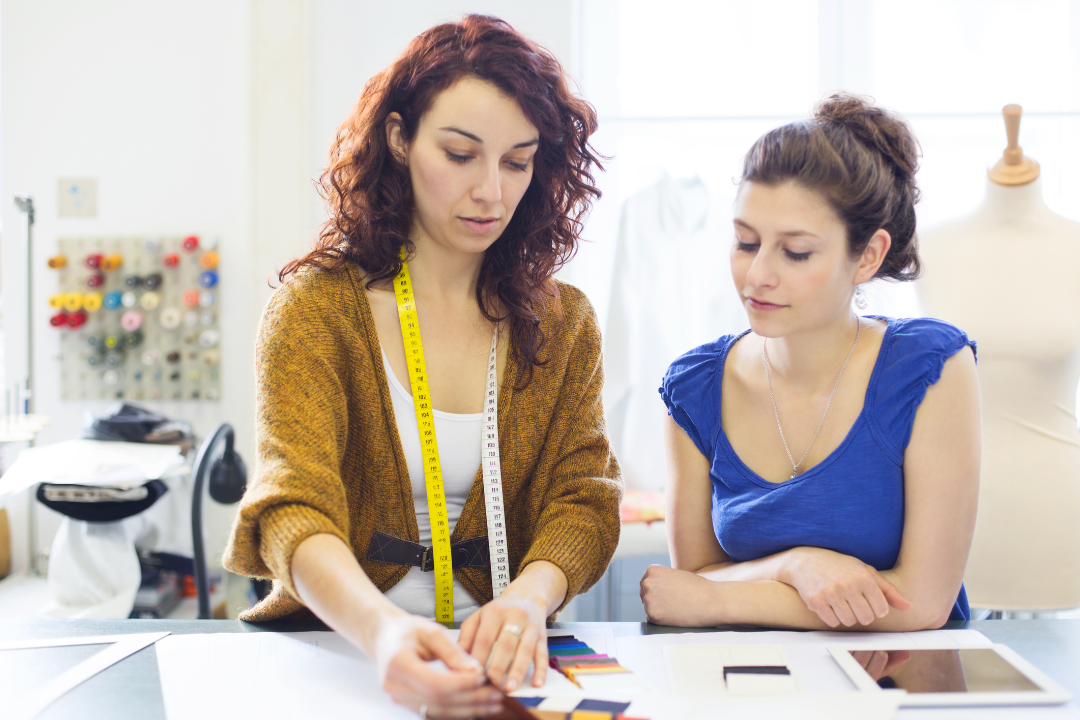
For apparel, that result is developed around a human body. A bag may be developed around a particular volume or contents, while a cover may need to fit around a piece of equipment or furniture. Other sewn products may need to fit around foam, hardware, electronics, or another component.
In every case, the pattern is being developed around something. Before hiring a pattern maker, you should understand what that something is and be able to explain it.
That's why asking whether someone has made your particular type of product before doesn't necessarily tell you whether they're the right pattern maker.
Your job isn't to know how to make the pattern. Your job is to know your product and what the pattern needs to accomplish. The pattern maker's job is to translate that information into a pattern.
Know Your Product Before You Contact a Pattern Maker
Hiring a pattern maker isn't a hands-off process. You can't simply provide a sketch, say "begin," and expect the pattern maker to make every remaining decision for you. Before you contact someone, you should have a reasonable understanding of what the pattern is being developed around, what material you intend to use, and what the finished product needs to accomplish. For apparel, the pattern may be developed around a particular body, fit standard, or set of measurements. For another sewn product, it might be an object, component, set of dimensions, or physical prototype. Whatever the product is, the pattern maker needs a defined target to work from.
Material matters for the same reason. A stable woven and a stretch knit behave very differently when they're cut and sewn. You don't need to know how those differences affect the pattern, but you do need to know what you're planning to make the product from so the pattern maker can account for it. Not every design decision has to be resolved before pattern making begins. Some questions will naturally come up during development. But the pattern maker is providing the technical expertise to create the pattern, not taking over responsibility for defining your product.
What to Ask Before Hiring a Pattern Maker
Once you understand what you're bringing to the project, the questions you ask should help you understand exactly what the pattern maker is agreeing to provide.
What happens after the first pattern is made?
Before hiring a pattern maker, understand where their scope ends. Some pattern makers create the initial pattern and deliver the files. Others also provide sewn samples, evaluate the result, and make pattern revisions. If sampling isn't included, you'll need to decide what happens next. You may hire a sample maker, work with another developer, or take the pattern to a manufacturer that provides sampling and development. In each case, someone needs to evaluate the sewn sample and determine what changes need to be made to the pattern. This is especially important for apparel that needs to be fit on a body. The first pattern isn't approved simply because it can be sewn together. The resulting sample needs to be fit and evaluated, and any necessary corrections need to make their way back into the pattern. Before you hire someone, understand whether you're buying an initial pattern, pattern development through an approved sample, or something in between.
How are revisions handled?
If the pattern maker is also responsible for revisions, ask how those revisions are handled and whether they're included in the estimate or billed separately. If someone else will be sewing or evaluating the sample, understand how that information gets back to the pattern maker. A sample maker may identify an issue while sewing, a fit evaluation may identify a needed correction, or a manufacturer may make changes during its own development process. What matters is knowing who is responsible for turning that information into revisions to the pattern. This is one reason understanding the full workflow before hiring someone matters. The more people involved in pattern making, sampling, fitting, and revisions, the more important it becomes to know where responsibility passes from one person to the next.
What files will I receive, and in what format?
Ask this before the project starts, not after. You should understand which pattern files will be delivered and whether you'll receive the final revised files when the work is complete. Ownership and usability aren't the same thing. You can own a pattern file and still have difficulty using it if the next developer or manufacturer can't open or convert the format. If you expect to take the pattern elsewhere later, confirm that the files you receive can actually be used by the next person in the process.
Expect to Be Part of the Process
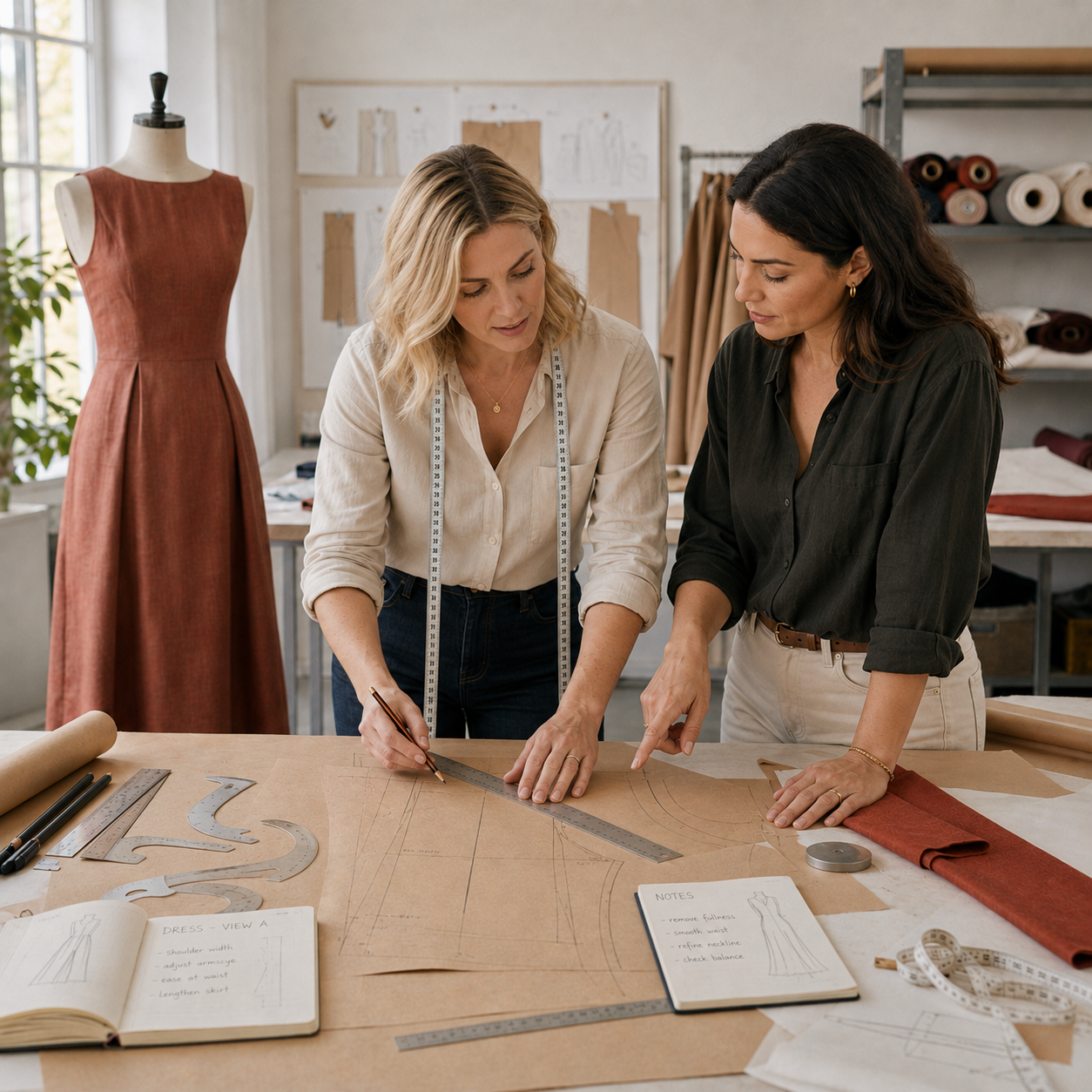
A good pattern maker will ask questions when information is missing or when something about the design needs clarification. Be prepared to answer them. You don't need to know how to solve the technical problem yourself. That's why you're hiring a pattern maker. But you should be able to explain the product you're trying to create and make decisions when the development process requires them. If you're not yet able to explain what the product needs to fit, how it should function, or what material it will be made from, you may need to make more design decisions before pattern making can begin. The pattern maker is responsible for knowing pattern making. You're responsible for knowing your product.
How Much Does Pattern Making Cost?
There isn't a meaningful flat rate for professional pattern making because the amount of work depends on the complexity of the product and the scope of the service. One quote may cover only the initial pattern, while another includes sampling, evaluation, revisions, or additional development work. The type of provider you're hiring can affect the price as well. That makes comparing quotes by price alone difficult. Find out exactly what the price includes and where the pattern maker's responsibility ends. A less expensive quote isn't necessarily a bad choice, and a more expensive quote isn't automatically a better one. Compare price against scope and choose the level of service your project actually needs.
When Is a Pattern Actually Finished?
A first pattern and an approved pattern aren't necessarily the same thing. If you've hired someone only to create an initial pattern, their work may be finished when they deliver it, but the pattern itself hasn't yet been validated. That happens when the pattern is sewn into a sample, the sample is evaluated or fit, and any necessary corrections are made back to the pattern. Once the sewn sample is approved and those corrections are reflected in the pattern, the pattern can be considered approved. If the pattern is later graded into additional sizes, the same principle applies to the size range. Depending on the product and grading strategy, additional sizes may also need to be sewn and fit approved before the graded pattern set can be considered complete. The important thing is knowing the difference between receiving a pattern and receiving an approved pattern, because those aren't necessarily the same deliverable.
Bottom Line
Finding a pattern maker isn't only about finding someone who knows how to make patterns. You need to know what you're asking them to do, what information you're responsible for providing, and where their responsibility ends.
Know your product before you begin. Understand whether you're hiring someone for an initial pattern or for pattern development that includes sampling and revisions. If other people will be involved in sampling, fitting, or further development, know how information and responsibility will move between them.
Pattern making isn't a hands-off service, but you don't need to become a pattern maker yourself. Your role is to understand your product and participate in the decisions. The pattern maker's role is to provide the technical expertise to translate that information into a pattern.
If you're not sure whether you need a pattern maker, a sewn product developer, or a manufacturer at this point in your project, book a free video consultation with Heather. We'll look at where your product is now and determine what the next development step should be.
Want information like this sent straight to your inbox?
Sign up for our newsletter to receive the latest news, exclusive offers, and insights about our products and services.
You can unsubscribe at any time, and we never share your information with anyone.

Frequently Asked Questions
-
Description tA pattern maker is the professional who translates a design into flat pieces of material that can be cut and sewn together into the intended three-dimensional result. For apparel, that means working from measurements, materials, and construction details to create the technical blueprint a garment is actually built fromext goes here
-
A pattern maker figures out how flat pieces of material need to be shaped, sized, and marked so that, once cut and sewn, they produce the finished product exactly as intended. That includes accounting for the materials being used, the body or object the product is developed around, and how the pieces will come together during construction.
-
You can find a pattern maker through industry referrals, sewn product development consultancies, freelance marketplaces, or design schools and professional networks. Where you look matters less than understanding what you're hiring them to do and how to vet whether they're the right fit for your specific product.
-
Pattern makers don't need to be local to do the work well, most communication and file exchange happens remotely regardless of location, so proximity matters less than it might seem. If working in person genuinely matters for your project, referrals through local design schools or industry networks are usually a more reliable starting point than a general web search.