
Magnets 101: Choosing Magnetic Closures for Sewn Products
Magnetic closures are commonly used in handbags, outerwear, accessories, and soft goods because they create clean, functional openings without relying on bulky or highly visible hardware. They can improve usability, reduce visual clutter, and help products feel more refined.
But magnets are rarely just a hardware decision.
In sewn product development, magnetic closures affect reinforcement, construction methods, material behavior, usability, and long-term durability. A magnet that works well in a concept sketch may perform very differently once integrated into actual materials and production construction methods.
Because of this, magnet selection is often evaluated during the product development process rather than after a product is already prepared for manufacturing.
Types of Magnets Used in Sewn Products
Different magnets are used depending on the product structure, materials, and intended use.
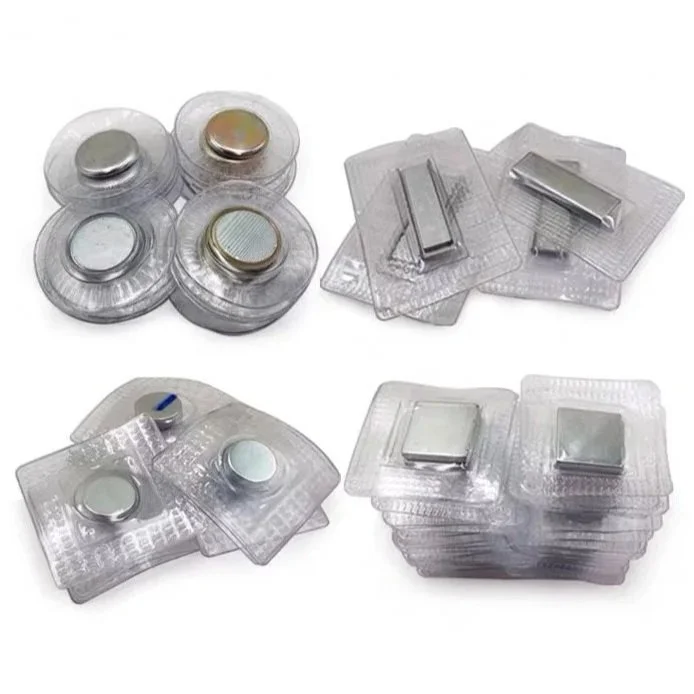
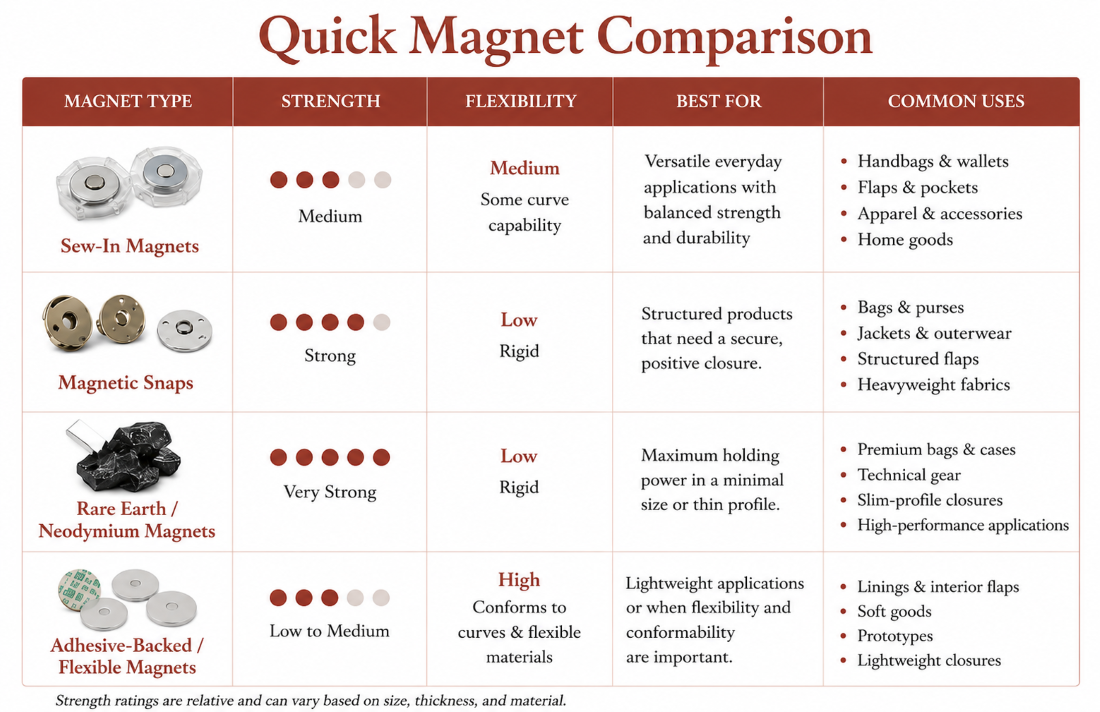
Sew-In Magnets
Sew-in magnets are enclosed within a fabric-safe casing and stitched directly into the product.
They are commonly used in:
Handbags and pouches
Interior pockets
Lightweight accessories
Soft flaps and folded openings
Because they remain hidden inside fabric layers, sew-in magnets are useful when a cleaner exterior appearance is preferred. For products requiring softer construction methods or concealed closures, placement is often evaluated during sewn prototype development before final specifications are documented in a tech pack.
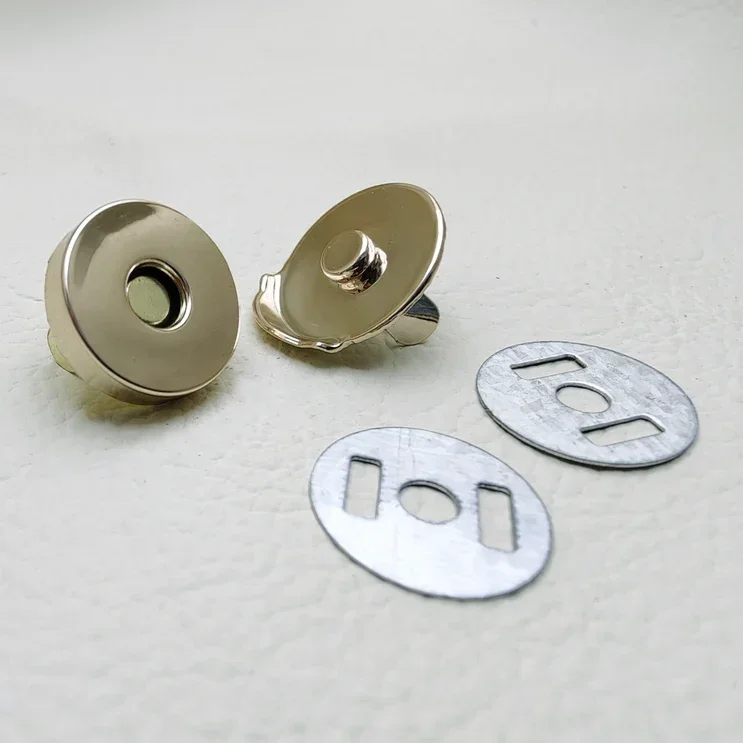
Magnetic Snaps
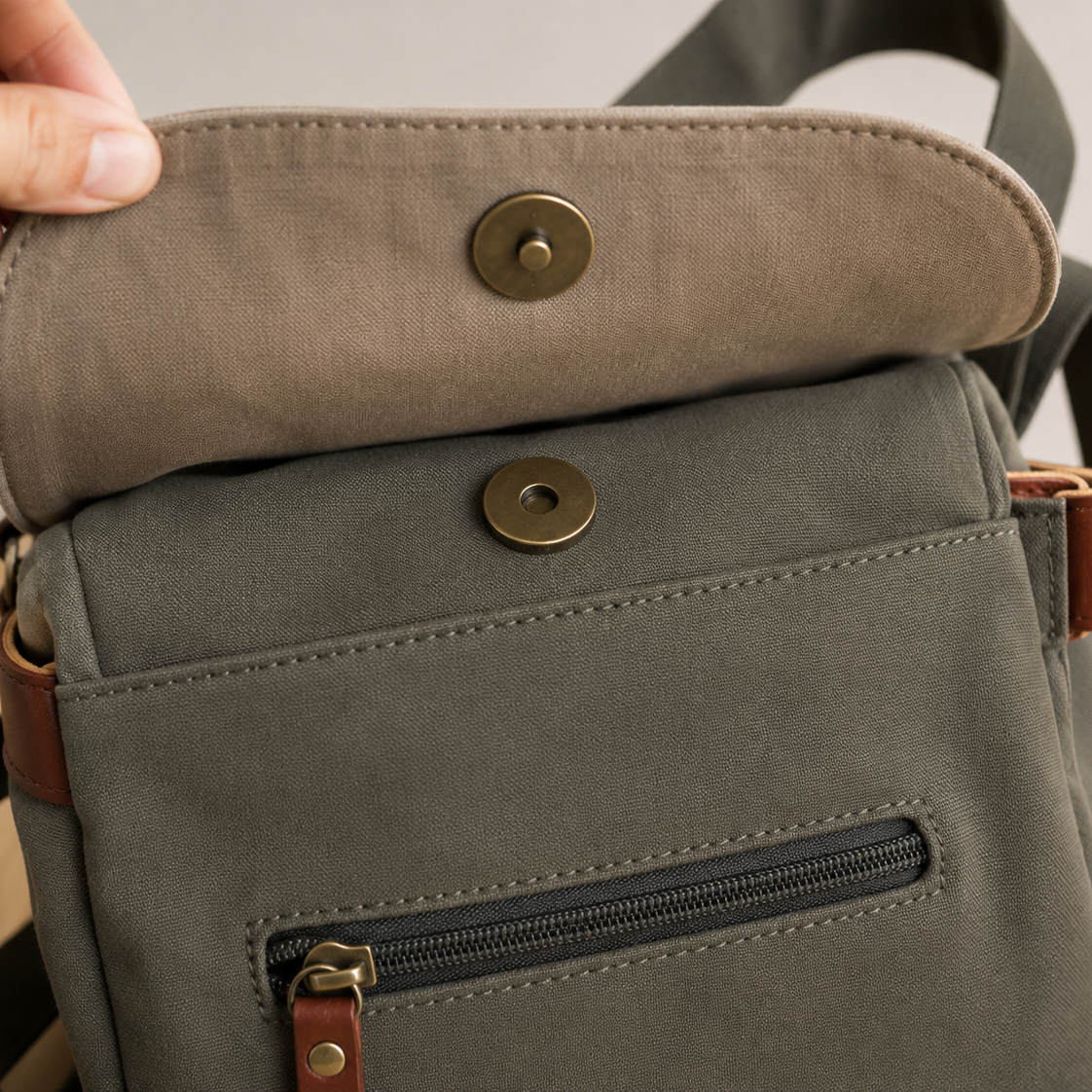
Magnetic snaps combine magnetic force with visible hardware installed through the material using prongs or backing plates.
They are commonly used in:
Structured handbags
Wallets
Outerwear
Medium to heavyweight products
Magnetic snaps typically create a firmer closure than sew-in magnets, but they may also require additional reinforcement around installation points. Reinforcement planning is often refined during pattern development and sewn sample testing.
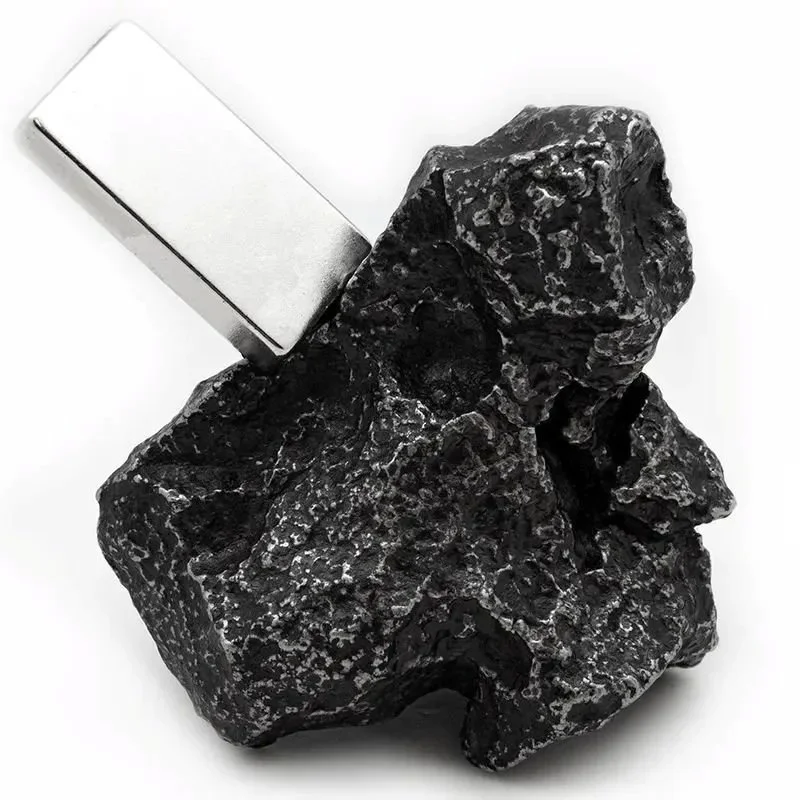
Rare Earth Magnets
Rare earth magnets, also known as neodymium magnets, provide strong holding power within a compact size.
They are commonly used when:
Space is limited
A slim profile is needed
Strong closure force is required
Products experience more movement or stress
Because these magnets are extremely strong relative to their size, they often require more thoughtful placement and reinforcement during development.
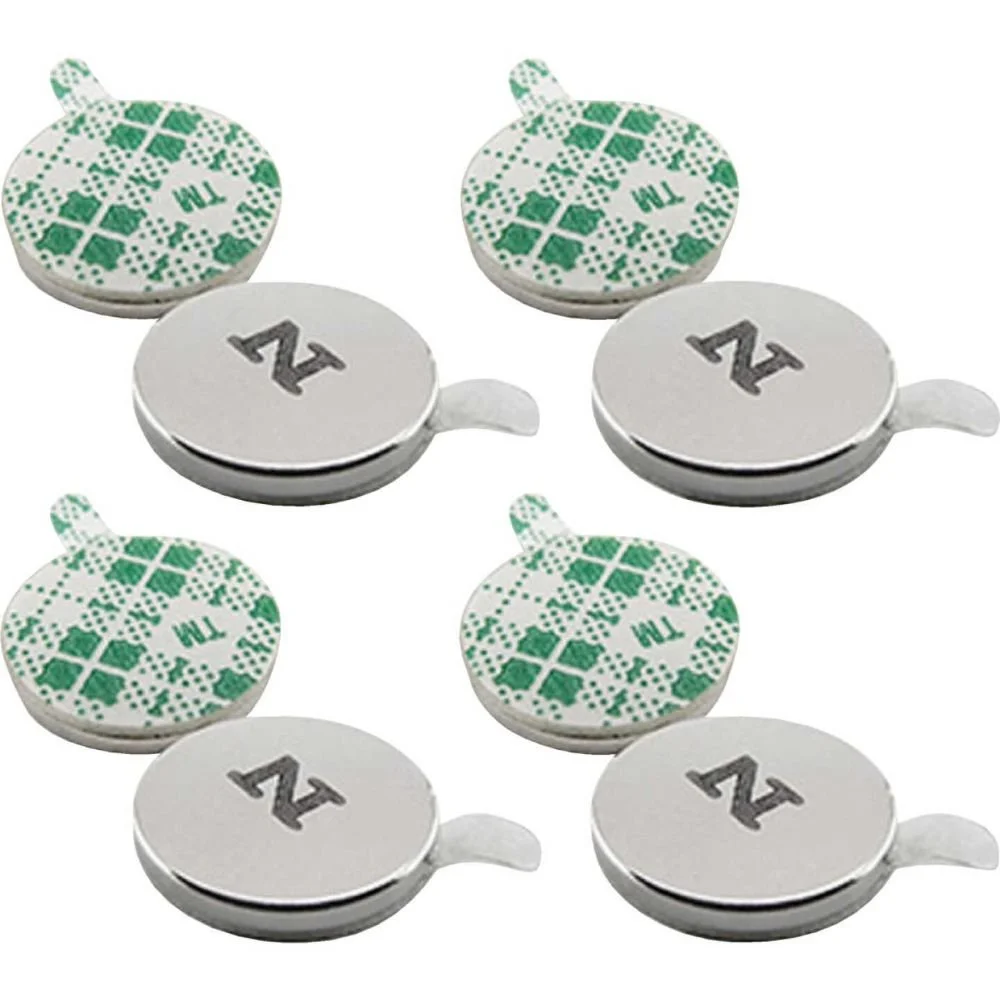
Adhesive-Backed Magnets
Adhesive-backed magnets are most commonly used for mockups, temporary positioning, prototypes, or lightweight non-structural applications.
They are commonly used for:
Early concept testing
Temporary magnet placement
Prototype revisions
Lightweight non-structural applications
In sewn products, they are generally less reliable for long-term functional closures than sewn or mechanically installed options. However, they may still be useful during early concept exploration, especially when testing placement, accessibility, or user interaction before permanent construction methods are finalized.
How to Choose the Right Magnet for a Sewn Product
Selecting the right magnetic closure depends on more than holding power alone.
Magnetic Strength (Pull Force)
Magnets that are too weak may separate during use, while magnets that are too strong may distort lightweight materials or make products difficult to open comfortably. The appropriate pull force depends on:
Fabric thickness
Reinforcement methods
Product weight
Construction layers
Closure size
Frequency of opening and closing
Rare earth magnets typically provide stronger holding power within a smaller size, while flexible magnets are often better suited for softer applications or larger surface areas. Because surrounding materials significantly affect performance, magnet strength is often evaluated during development rather than selected from specifications alone.
Size, Thickness and Bulk
Larger magnets generally provide stronger closure force, but they may also create additional bulk, stiffness, or visibility inside the product. Thickness can affect how smoothly a closure sits within the product and whether additional reinforcement becomes necessary. Magnet flexibility also influences how closures behave within different constructions. Rigid magnets provide concentrated holding power, while flexible magnets distribute magnetic force across a larger surface area and may conform more easily to softer materials. Balancing closure strength against flexibility, comfort, and overall product structure is often necessary when developing magnetic closures for sewn products.
Coating and Finish
Magnets are commonly coated with materials such as nickel, epoxy, or plastic to improve corrosion resistance and durability. Coating selection becomes especially important in:
Washable products
Humid environments
Products exposed to repeated friction or wear
Different magnetic materials and manufacturing methods also affect long-term performance. If you're interested in the science behind how magnets work and are manufactured, this HowStuffWorks resource provides a deeper technical explanation.
Designing with Magnetic Closures
Magnetic closures are often chosen because they create a smoother user experience than traditional hardware.
They are especially useful when products require:
Easy one-handed access
Hidden closures
Quiet opening and closing
Minimal visible hardware
Repetitive daily use
However, magnets may be less appropriate in products exposed to heavy load stress, extreme movement, or precise alignment requirements.
Magnet placement should also be considered early in development, since surrounding materials, reinforcement methods, and seam structure can significantly affect long-term performance. In more structured products, small changes in construction and material layering may influence how magnets align, close, and behave during repeated use.
Why Magnetic Closures Should Be Evaluated During Product Development
Many issues with magnetic closures do not become obvious until a product is physically sampled in its actual materials and construction. A closure that appears functional in a sketch or early mockup may behave very differently once layered into lining, reinforcement, interfacing, foam, leather, or other materials. Changes in fabric thickness, seam placement, and construction can all affect how magnets align, close, and perform during repeated use. Because of this, magnetic closures are often evaluated during product development rather than treated as a final hardware decision.
During sewn sample development, magnets may be tested for:
Closure alignment
Ease of opening and closing
Reinforcement needs
Material compression or distortion
Long-term durability
Compatibility with surrounding construction methods
For many sewn products, magnets become part of the overall construction strategy rather than simply a closure choice. Placement, reinforcement, and surrounding materials all influence how the product functions over time. This is why magnetic closures are commonly refined during pattern development, sewn prototyping and sample testing before products move into manufacturing.
Need help selecting the right magnets for your prototype or sample run? Book a free video consultation for expert guidance on material sourcing and product development.
Want to Learn More?
COMING SOON! The Essential Guide to Sewn Product Materials, Closures & Hardware
This practical reference guide expands beyond magnets to cover fabrics, closures, snaps, zippers, labels, reinforcement materials, and other components commonly used in sewn product development.

Frequently Asked Questions
-
Common magnets used in sewn products include sew-in magnets, magnetic snaps, adhesive-backed magnets, and rare earth (neodymium) magnets. The best option depends on the product’s weight, fabric type, intended use, and required holding strength.
-
Magnetic snaps are typically installed through the material using prongs or washers, while sew-in magnets are enclosed and stitched directly into the product. Sew-in magnets are often preferred when the hardware should remain hidden or when softer construction methods are needed.
-
Yes. Magnetic closures are commonly used in bags, outerwear, wraps, accessories, and soft goods products. Their effectiveness depends on magnet size, reinforcement methods, fabric thickness, and how much stress the closure experiences during use.
-
Some magnets can tolerate limited washing, but repeated exposure to moisture, heat, and dryers may weaken coatings or cause corrosion over time. Washing considerations should be evaluated during sewn sample development and product testing.
-
Rare earth (neodymium) magnets are used when stronger holding power is needed within a smaller size. They are commonly used in bags, concealed closures, structured garments, and technical sewn products.
-
The correct magnet strength depends on fabric thickness, layers, product weight, closure tension, and how the item will be used. Stronger magnets are not always better, as excessive pull force may distort lightweight materials or affect usability.
-
Yes. Magnet placement, reinforcement, alignment, and closure performance should be evaluated during product development before manufacturing begins. Testing helps identify issues with bulk, shifting, visibility, or insufficient holding strength early in the process.
-
Magnets can add functional closures, cleaner aesthetics, easier accessibility, and improved user experience in sewn products such as bags, accessories, adaptive apparel, and soft goods. Choosing the correct magnet type and placement is important to ensure durability, comfort, and production compatibility.