
Moving from product development into manufacture is a significant step. Even when a manufacturer offers relatively small production quantities, placing an order means committing to multiple units of the same product based on an established design, pattern, materials, construction, and size range.
That makes the question more complicated than simply finding a manufacturer with a low minimum order quantity. Before placing a production order, it helps to understand whether the product itself is ready to be repeated in quantity.
Small batch manufacture and small batch sampling can both involve limited quantities, but they serve different purposes. One is production. The other is part of product development or provides a limited number of individually sewn samples.
Need help with a project? Free expert guidance is just a click away.
Curious how sewn products are made? Learn more.
What Is Small Batch Manufacturing?
Small batch manufacture is the production of a relatively limited quantity of a product compared with a larger manufacturing run. What qualifies as “small” varies considerably from one manufacturer to another.
A manufacturer may establish minimum order quantities based on its equipment, workflow, fabric requirements, cutting methods, labor, and the type of product being produced. A quantity that works for one manufacturer may not work for another. The important distinction is that small batch manufacture is still manufacture: the manufacturer is setting up a repeatable production process to produce multiple units of an established product. If you're beginning to evaluate manufacturers, learn more about what to consider when choosing a clothing manufacturer for a startup.
Before reaching this stage, the design should be resolved, the pattern should be complete, the construction should be established, and the necessary technical information should be available for the manufacturer.
What Is Small Batch Sampling?
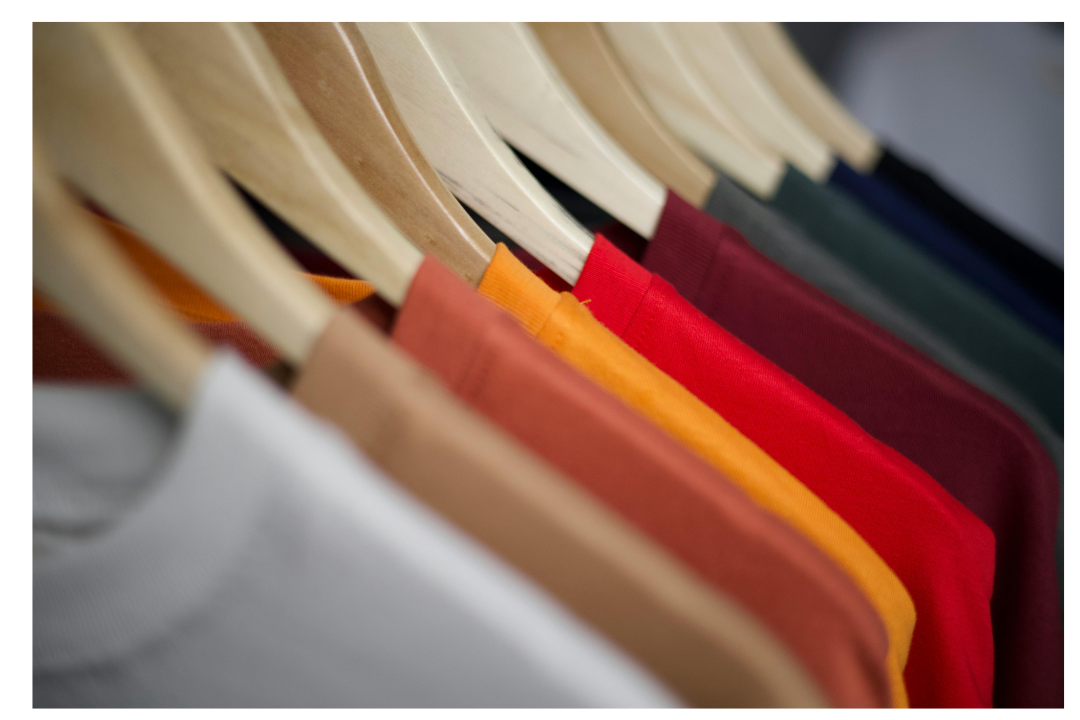
Small batch sampling provides a limited number of individually sewn samples rather than a factory production run.
Depending on where the product is in development, those samples may serve different purposes. Development samples can be used to evaluate a specific material, construction method, design variation, or other product variable. Once the product is resolved, sample duplicates can provide additional examples of the established design for photography, presentations, sales meetings, or other business needs. Because the samples are sewn individually rather than through a factory production process, the quantity can remain limited to what is actually needed.
Small batch sampling is not a substitute for manufacture. It serves a different purpose.
Small Batch Sampling versus Small Batch Manufacture
The difference comes down to what you are trying to accomplish. If the product is still being developed, additional samples may be appropriate before moving into manufacture. A development sample allows a specific variable to be evaluated without committing to a production quantity. If the product is already resolved but you only need a limited number of additional samples, sample duplication may be appropriate.
Small batch manufacture makes more sense when the product is complete and the goal is to produce inventory for sale. At that point, the question becomes whether a manufacturer's capabilities, minimum order quantities, pricing, and production requirements fit your business.
How Do You Know if Your Product Is Ready for Manufacture?
Before approaching a manufacturer, consider whether the product itself is complete enough to be reproduced consistently.
Is the Design Resolved?
Manufacture is not the ideal stage for continuing to make fundamental design decisions. The shape, fit, materials, components, construction, and other important product details should already be established. If you are still comparing design options or making changes that affect the pattern or construction, the product is likely still in development.
Is the Pattern Complete?
The pattern establishes the shapes and dimensions used to cut and assemble the product. It should reflect the approved design and construction before it is handed off for manufacture. If multiple sizes will be produced, the pattern may also need to be graded into the required size range.
Has the Product Been Sampled?
A completed pattern alone does not show everything that can happen once a product is sewn. Sewn prototyping allows the pattern, materials, fit, construction, proportions, and functionality to be evaluated together before those decisions are repeated across a production order. The approved sample also provides a physical reference for the finished product.
Are the Materials and Components Established?
Fabric, trims, closures, labels, hardware, and other components can affect both the product and the way it is manufactured. Changing materials later may affect fit, construction, performance, cost, or even the pattern itself. The materials intended for production should therefore be established before manufacture whenever possible.
Is the Technical Information Complete?
The manufacturer needs enough information to understand what is being produced and how the finished product is expected to be constructed. Depending on the product and manufacturer, that information may include patterns, measurements, construction details, materials, trims, labeling, colorways, size information, and other specifications documented in a tech pack.
What About Minimum Order Quantities?
Minimum order quantity, or MOQ, is the minimum quantity a manufacturer or supplier is willing to accept for an order. There is no universal MOQ for small batch manufacture. Requirements vary by manufacturer and can also be affected by the garment, materials, colors, sizes, cutting requirements, and other production considerations.
A low MOQ can make a manufacturer more accessible to a newer business, but MOQ alone does not determine whether a product is ready for manufacture. Producing fewer units of an unresolved product still means reproducing unresolved decisions multiple times. The better question is whether both the product and the business are ready for the quantity being considered.
When Does Small Batch Manufacture Make Sense?
Small batch manufacture can make sense when your product development is complete, you are ready to produce inventory, and a manufacturer's production requirements align with the quantity your business is prepared to order.
Before committing to a production run, you should understand:
what quantity you intend to produce
how that quantity will be divided among sizes and colorways
the manufacturer's MOQ and other production requirements
your expected production costs
the materials and components required
whether your patterns, samples, grading, and technical information are complete
A smaller production run can reduce the amount of inventory involved compared with a larger order, but it is still a manufacturing commitment. The decision should be based on both production requirements and what your business can realistically support.
When Does Small Batch Sampling Make More Sense?
Small batch sampling may make more sense when you do not yet need a manufacturing quantity. That could mean the product is still being evaluated through development samples, or the product is complete but you only need a limited number of duplicates for a specific purpose.
The important question is not simply how few units you want. It is what those units are for. If you need inventory produced for sale, you are looking at manufacture. If you need a limited number of individually sewn samples for development or another specific business purpose, small batch sampling may be the appropriate next step.
Understanding that distinction can help you choose the next stage based on what the product actually needs rather than treating every small quantity as the same type of work.
Not Sure Which Stage Your Product Is In?
If you're deciding whether your product needs additional development or is ready to move toward manufacture, a free consultation is a good place to start. We can review where the product is now, what information you already have, and what the next development step should be.

Want information like this sent straight to your inbox?
Sign up for our newsletter to receive the latest news, exclusive offers, and insights about our products and services.
